
Project highlight
Santa Rosa Clinic
Helping clinic staff keep track of who’s where, and what happens next.
Starting Point
A tangle of reports, emails, photos and a promising idea: give every member of staff a shared view of what was happening in the clinic.
Client
Sam Brown Santa Rosa Clinic New Mexico, US
my role
Working out how patient stages, staff availability and responsibility needed to connect—then shaping that logic into a shared clinic-wide view.
MAKING SENSE OF THE MOVING PARTS
01 FIND THE THREAD –
UNDERSTANDING THE BRIEFThe brief did not arrive as a neat little brief. It emerged through dense reports, long emails, rough photographs and conversations with Sam and his team. My first job was to find the idea running through it all: a shared view that would let staff see where patients were, who was available and what needed to happen next.
02 MAP THE MOVEMENT –
PATIENT FLOW AND STAFF HANDOFFSFrom check-in to check-out, each patient moved through a series of stages, with different staff members taking responsibility along the way. I mapped those connections into one working model: who needed to know what, when they needed to know it and how the next handoff could happen without everyone playing detective.
03 MAKE IT VISIBLE –
SCREEN CONCEPTS FOR THE CLINIC
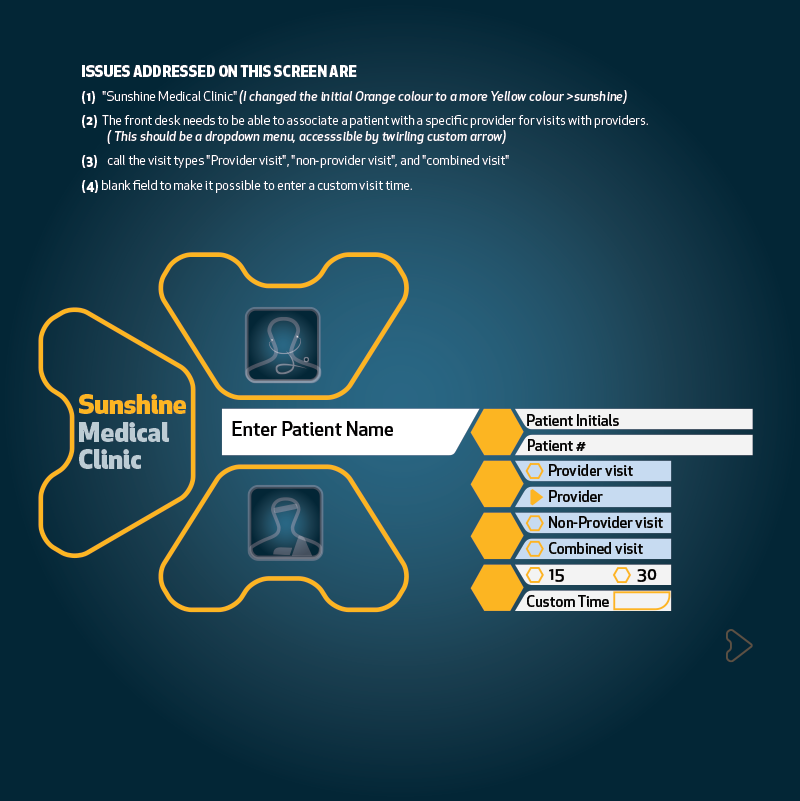
The team identified fixed screen stations around the clinic as the most practical solution: always available, easy to find and not liable to leave with anyone. I developed kiosk-style screen concepts that made the current picture visible—where patients were, who was responsible and what needed to happen next.
Workflow Concepts
a working system
One shared understanding of the day, visible on screens across the clinic.
DESIGNED FOR A GLANCE
STATUS, RESPONSIBILITY AND THE NEXT MOVE
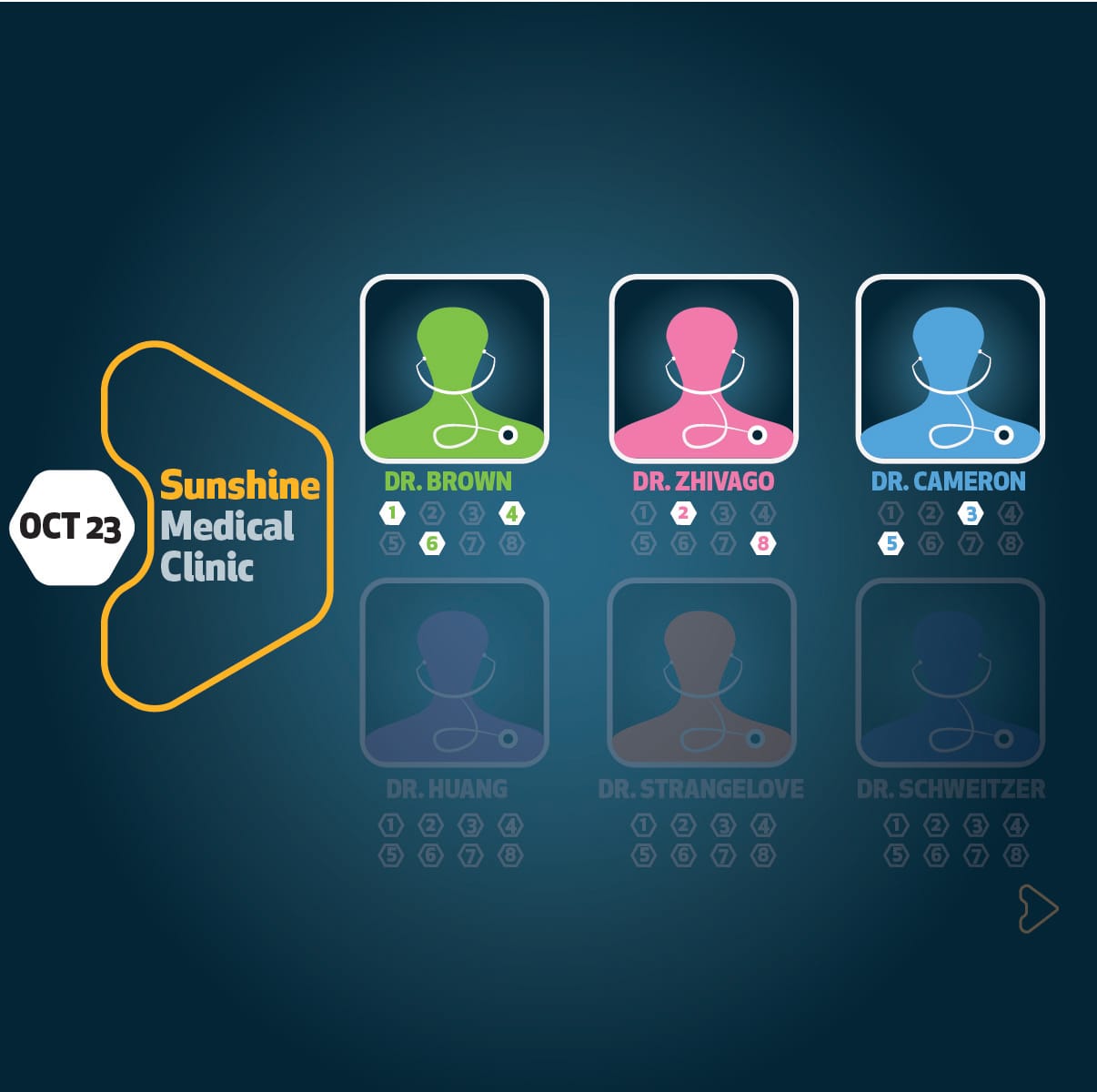
Each screen needed to answer a few practical questions quickly: who was in, who was with a patient and where that patient had reached in the day. The information was arranged so staff could pick up the current state of play without having to reconstruct it from memory, messages or a lap of the building.
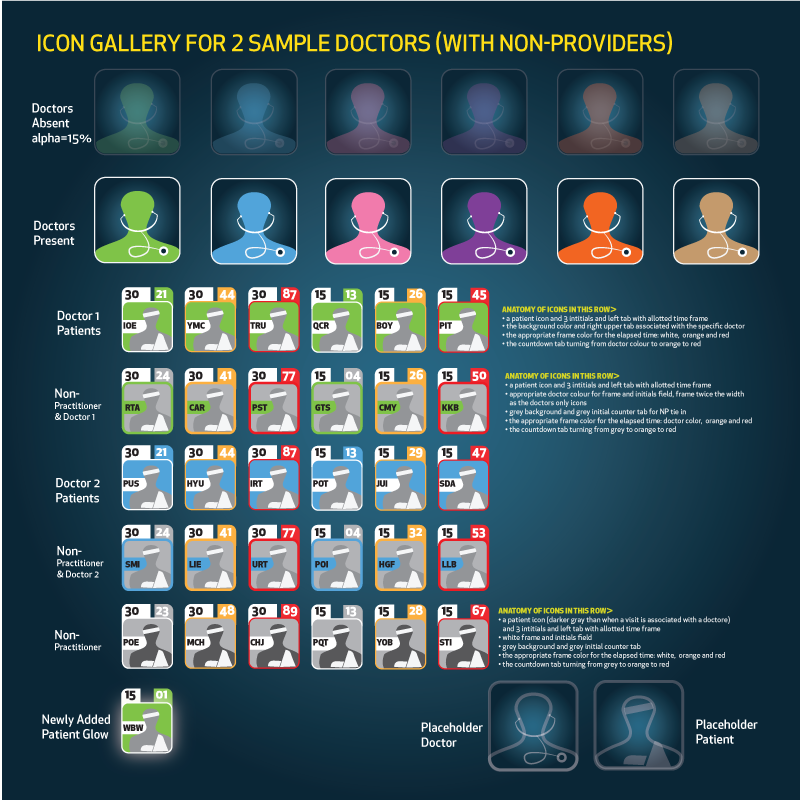
Six doctors. Six consistent identifiers.

One patient, five stages
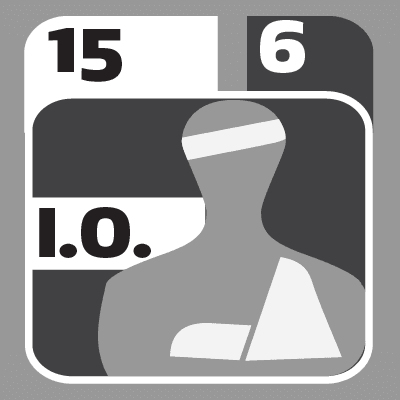
The patient’s icon — the doctor gets a separate one, fixed at the top of their lane. Every active stage gets its own fresh 15-minute clock — resets each step, nobody’s silently overdue.
Standby
Grey and borderless, because nobody’s decided whose patient this is yet — but the clock already started the moment they arrived.
➜
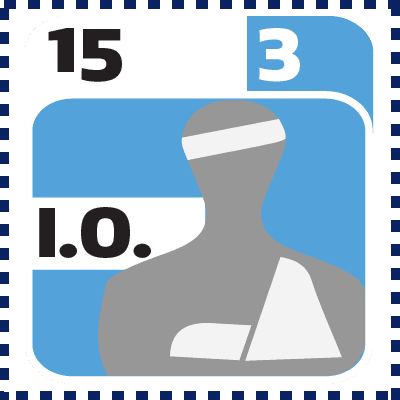
Triaged
A dashed border marks it as provisional — colour-coded to an available doctor, staff has fifteen minutes to confirm the match.
➜
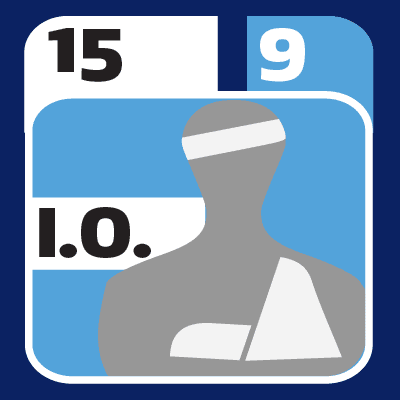
With Doctor
This is the stage the whole system exists for: solid background colour, and a fresh fifteen minutes — now it’s the doctor on the clock.
➜
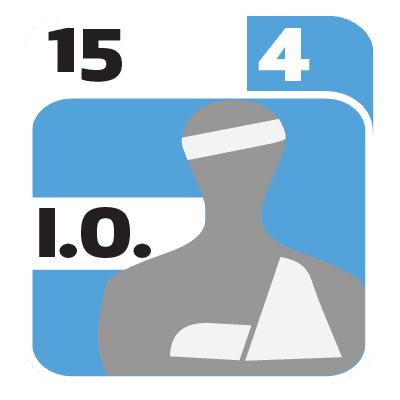
Checking Out
Same colour, no border, and one more fresh fifteen minutes — the medical part’s done, the administrative paperwork isn’t.
➜

Checked out
No border, no counter, nothing left to track — the icon simply fades out completely within ninety seconds.
THE RESULT
built by turning dense materials into a working patient-flow model, that model into screens both staff and doctors could read at a glance, and every patient into one icon carrying their own status, colour and countdown from walking into the door to walking out again.